
Sea Cargo Clearance (FCL & LCL)
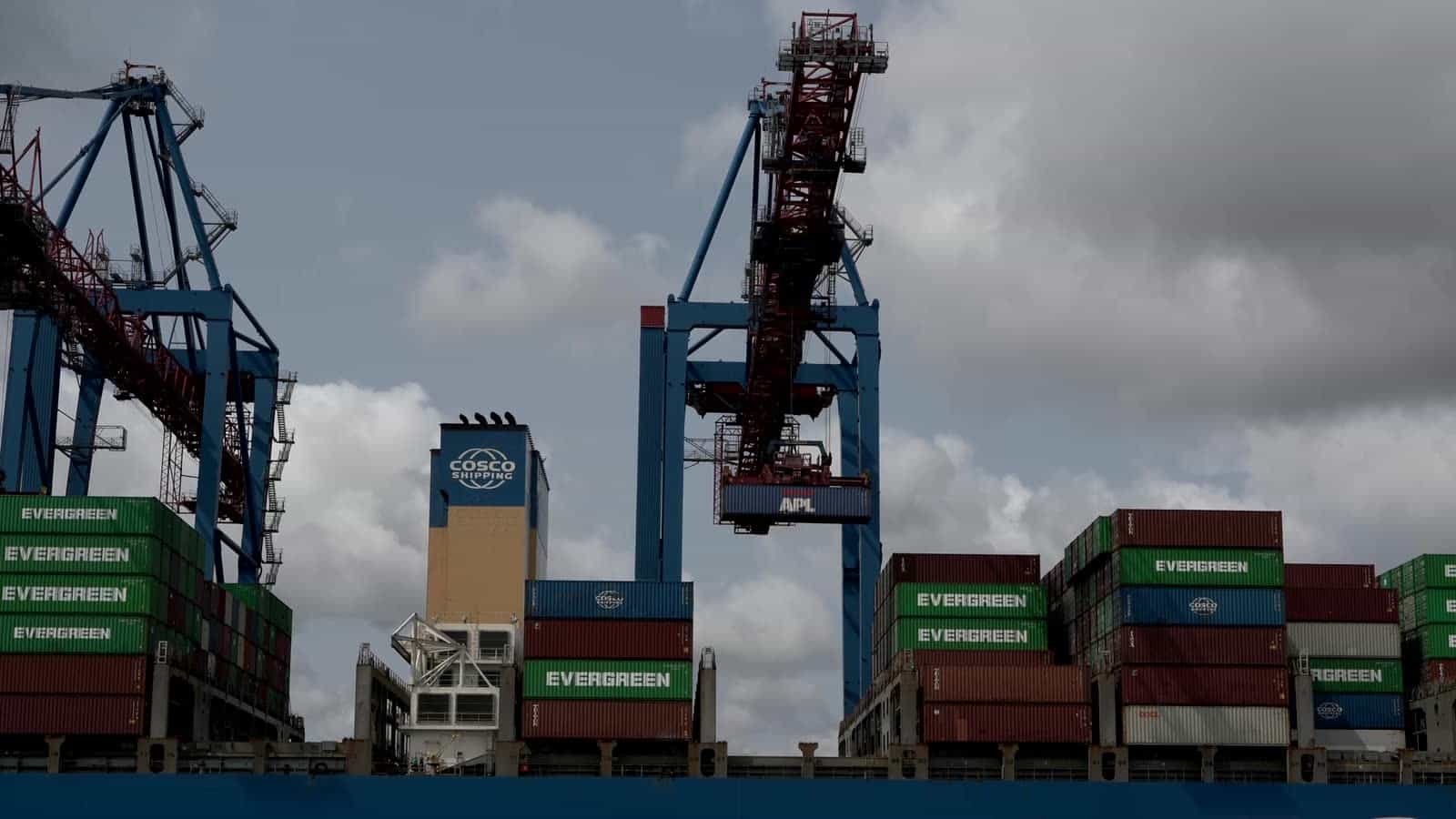
Clearance for Full Container Load (FCL), Less than Container Load (LCL), and break-bulk consignments arriving at Karachi Port and Port Qasim.
- • KICT, SAPT, PICT & QICT
- • Free days tracking & demurrage control
Licensed Brokerage · Licence #1064 · Karachi Customs Agents Association
Authorized customs clearing agent in Karachi since 1999 (Licence #1064, KCAA). We manage commercial and industrial cargo clearance across Karachi Port (East & West Wharves, KICT, SAPT, PICT), Port Muhammad Bin Qasim (QICT), and the Air Freight Unit (AFU) at Jinnah International Airport.
Since
1999
Operating in Karachi
Reported
1,800+
Goods Declarations filed
Clearing Operations
King Agency provides full statutory clearance support from pre-filing document review and tariff valuation to WeBOC electronic filing, terminal physical examination, and final container out-of-charge release.
Clearance for Full Container Load (FCL), Less than Container Load (LCL), and break-bulk consignments arriving at Karachi Port and Port Qasim.
Priority clearance for time-sensitive air freight, commercial cargo, replacement parts, and samples at Jinnah International Airport Air Freight Unit (AFU).
Electronic Goods Declaration filing under Section 79 (Imports) and Section 131 (Exports) via the Pakistan Single Window and WeBOC system.
Accurate 8-digit HS/PCT code classification under the official Pakistan Customs Tariff (FY 2026–27), Section 25 valuation compliance, and SRO concession review.
Licensed field agent representation during Red Channel inspections, customs examiner verification, sample draws, and report reconciliation across Karachi wharves.
Specialized clearance of unaccompanied baggage, household effects, and relocation shipments arriving at Karachi sea terminals or air freight stations.
Customs clearance in Karachi operates under statutory procedures established by the Customs Act, 1969. Here is how consignments progress from pre-arrival scrutiny to final release:
Verification of the commercial invoice, packing list, Bill of Lading (B/L) or Air Waybill (AWB), and applicable origin certificates to confirm consistency before electronic data submission.
Drafting and electronic submission of the statutory Goods Declaration under Section 79 (Imports) or Section 131 (Exports) through the Pakistan Single Window (PSW) and WeBOC system.
Assessment of Customs Duty (CD), Additional Customs Duty (ACD under SRO 1063), Regulatory Duty (RD under SRO 1064), Sales Tax, and Advance Income Tax (Section 148).
Where routed to Yellow Channel (document scrutiny) or Red Channel (physical examination), licensed staff attend on-dock at Karachi terminals for cargo grounding and appraiser inspection.
Coordination with shipping carriers or airline handling agents for Delivery Order (D/O) release, accompanied by port authority wharfage and terminal handling charges settlement.
Securing the official electronic Out of Charge (OOC) order from Pakistan Customs upon completion of statutory procedures and facilitating terminal gate-pass issuance for container exit.
Documentation requirements depend on commodity classification (HS Code), importer status (commercial trading vs. industrial manufacturer), and applicable trade regimes. Baseline commercial shipments require standard transport and commercial papers, whereas regulated or concessionary goods require specific statutory certificates:
Commercial Invoice
Itemized description, unit prices, total value, invoice currency, and Incoterms (CIF, CFR, FOB).
Packing List
Net and gross weights, package count, dimensions, carton breakdown, and container/seal numbers.
Bill of Lading (B/L) / Air Waybill (AWB)
Original ocean B/L or master/house AWB issued by the carrier showing port of loading and discharge.
Delivery Order (D/O)
Issued and endorsed by the carrier shipping line or airline handling agent upon vessel/flight arrival.
NTN & Sales Tax Registration (STRN)
Importer National Tax Number and Sales Tax registration verified active on the FBR Active Taxpayer List (ATL).
Certificate of Origin (COO)
Issued by the authorized Chamber of Commerce or trade agency in the exporting country.
Preferential FTA / PTA Certificate
e.g., CPFTA Phase-II certificate for preferential tariff rates on eligible imports from China.
SRO Entitlement Certificate
Required for industrial manufacturers claiming concessional CD, ACD, or Sales Tax exemptions.
Phytosanitary / DPP Quarantine Permit
Mandatory for agricultural items, timber, seeds, and food commodities under Department of Plant Protection.
PSQCA Quality Conformity Certificate
Required for items subject to mandatory Pakistan Standards and Quality Control Authority standards.
Commercial Bank Electronic Form-E (EFE)
Required for statutory export customs clearance under State Bank of Pakistan regulations.
Note for importers: Regulatory NOCs (such as DPP phytosanitary clearance or PSQCA testing) and preferential tariff certificates (such as CPFTA) apply only to specific controlled HS codes or concessionary regimes and are not required for every consignment.
Operating in Karachi since 1999 under Licence No. 1064, King Agency maintains direct field presence across all statutory entry terminals in Karachi:
East & West Wharves
KICT (West Wharf), SAPT (Keamari deep-water), and PICT (East Wharf) for containerized and break-bulk imports.
QICT & Industrial Port
QICT container terminal handling manufacturing inputs, industrial machinery, chemicals, and bulk cargo.
JIAP Air Freight Unit (AFU)
Air freight clearance at Jinnah International Airport for priority express consignments and commercial air cargo.
Calculate statutory Customs Duty (CD), Additional Customs Duty (ACD under SRO 1063), Regulatory Duty (RD under SRO 1064), Sales Tax, and Section 148 Income Tax using our interactive 7,611-line tariff calculator.
Connect directly with our licensed customs operations desk. We evaluate shipping documents, verify statutory HS codes, and outline procedural steps without obligation:
WhatsApp Clearing Desk
+92 370 0902220
Rapid review of shipping documents and consignment status.
Request a Customs Quote
Submit shipment parameters (port of loading, port of discharge, container type, commercial invoice details).
Sunny Plaza Office (Room No. 445)
Room No. 445, 4th Floor, Sunny Plaza, Hasrat Mohani Road, Karachi, Pakistan
Note: Clearance timelines are governed by statutory Pakistan Customs Risk Management System (RMS) channeling and shipping line Delivery Order release schedules. In accordance with customs regulations, no agent can offer unlawful clearance guarantees or bypass official statutory inspection.
Under the Customs Act, 1969 and the Customs Agents Licensing Rules, a licensed customs clearing agent acts as the authorized statutory broker between the importer/exporter and Pakistan Customs. King Agency (Licence #1064, KCAA) conducts pre-filing document scrutiny, determines correct HS/PCT code classification under the Pakistan Customs Tariff, files electronic Goods Declarations (GDs) in WeBOC and Pakistan Single Window (PSW), attends on-dock port examinations, coordinates with shipping lines for Delivery Orders (D/O), and secures official Out of Charge (OOC) clearance.
We provide comprehensive customs clearance across all Karachi sea and air terminals: Karachi Port (East Wharf, West Wharf, SAPT, KICT, PICT), Port Muhammad Bin Qasim (QICT), and the Air Freight Unit (AFU) at Jinnah International Airport Karachi.
Standard requirements include: (1) Commercial Invoice, (2) Packing List, (3) Bill of Lading (B/L) or Air Waybill (AWB), (4) Delivery Order (D/O) from the shipping carrier, (5) Certificate of Origin, (6) NTN and Sales Tax Registration (STRN) active on the ATL, and (7) any applicable SRO concession certificate, FTA certificate (such as CPFTA), or import permit.
Clearance timelines depend on the Risk Management System (RMS) channel assigned in WeBOC / PSW. Green Channel consignments (automated computer assessment) typically clear within 24 to 48 hours of vessel discharge and document submission. Yellow Channel (document scrutiny) and Red Channel (physical examination at port terminal) typically clear within 2 to 4 working days, provided all commercial paperwork, certificates of origin, and duty payments via 1Link CPR are in order.
The Pakistan Single Window integrates commercial banks, customs, and other government agencies (such as DPP, PSQCA, and EPA). Upon arrival of shipping documents and electronic manifest (IGM/EGM), a statutory Goods Declaration is submitted. The Risk Management System (RMS) routes cargo to Green Channel (immediate assessment), Yellow Channel (document scrutiny), or Red Channel (physical examination at port) before duty settlement and cargo release.
Yes. We review your commercial invoices and product specifications to determine the correct 8-digit Pakistan Customs Tariff (PCT) code under the First Schedule to the Customs Act, 1969. We verify eligibility for concessionary notifications under SROs, Fifth Schedule exemptions, and Free Trade Agreements. Importers can also estimate duties in advance using our interactive Pakistan Import Duty Calculator.
Industrial importers importing raw materials or capital machinery for in-house manufacturing benefit from specific tax concessions, including exemption from the 3% Additional Sales Tax under the Twelfth Schedule to the Sales Tax Act, 1990, and reduced Advance Income Tax rates (1% to 2% under Part I/II vs 6% for commercial importers under Part III of the Twelfth Schedule to the Income Tax Ordinance, 2001).
Next shipment
Share a few shipment details and we'll get back to you with the next steps and a quotation.